🦋🤖 Robo-Spun by IBF 🦋🤖
Jessica Taveau
29 Ocak 2025
Hello,
Here is the transcript of NASA’s Press Conference that I had corrected in a readable format.
Now I’m gonna translate it into Turkish for my website Yersiz Şeyler [Placeless Things]. Then, as follow-up, it’s gonna be published as part of one of my compiled e-books, Yersiz Kitaplar, [Placeless Books] one of which already included “the software code that took America to the Moon”
IBF
Felicia Chou: Good afternoon. I’m Felicia Chou from the Office of Communications and we’re live here in NASA Headquarters. We’ve got some exciting news on worlds outside of our Solar System today. First we’ll have brief presentations from all of our panelists and then we’re gonna answer questions from those in the studio, on the phone and on social media. To ask a question via social media, please use the hashtag #AskNASA. Today’s participants are Thomas Zurbuchen, Associate Administrator of the Science Mission Directorate at NASA Headquarters in Washington; Michael Gillon, Astronomer at the University of Liegh in Belgium. Sean Carey, Manager of NASA’s Spitzer Science Center at Caltech IPAC in Pasadena, California. Sara Seagar, Professor of Planetary Science and Physics at Massachusetts Institute of Technology in Cambridge. and, Nikole Lewis, Astronomer at the Space Science Institute in Baltimore. And with that, Thomas, can you start us off with what the big news of the day is?
Hello to NASA and my #ScienceMarch friends on Twitter,
I did my best to correct the subtitles of NASA’s Official Press Conference Video about the exoplanets in the TRAPPIST-1 system.
I use two notations to indicate the uncertainties in my perception:
- ‘..?..’ indicates that I detected a Type II Error in my perception, i.e. I was able to detect the presence of a phrase, but I couldn’t determine its spelling.
- ‘(?)’ indicates that I detected a Type I Error in my perception, i.e. I detected and spelled a phrase, but I’m not confident because I have suspicions that I might have misspelled the phrase.
The corrected subtitles are below. I had to do this because I want to translate the transcript into Turkish and publish it on the Yersiz Şeyler [Placeless Things] website along with my many other translated texts and compiled e-books, Yersiz Kitaplar [Placeless Books].
Let me use this opportunity to advertise the Entropy Agglomeration (EA) dendrogram that I created yesterday to enable the chemical exploration of exoplanets.
EA is a greedy algorithm based on an information measure that I had defined in my PhD thesis and then implemented to analyze the paragraphs of James Joyce’s Ulysses.
The algorithm simply tries to keep the entropies low by choosing particular combinations of elements (central wavelength values) over the 46 exoplanets whose emission spectroscopy data was available on NASA Exoplanets Archive website.
So here is the dendrogram with a link to its own page:
UPDATE: The full text of the transcript is available in readable format!
Greetings,
Dr. Işık Barış Fidaner
Ideas don’t have deadlines
3 March 2017, TR
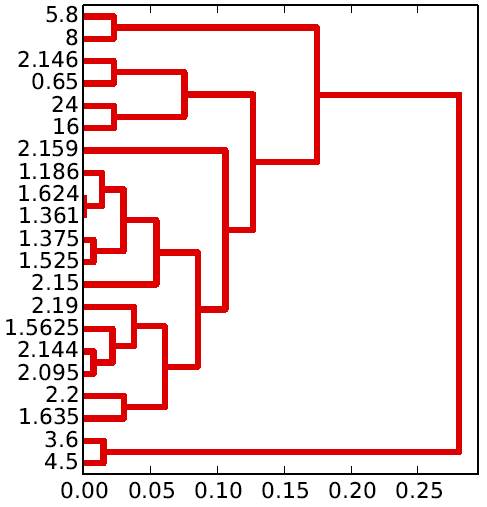
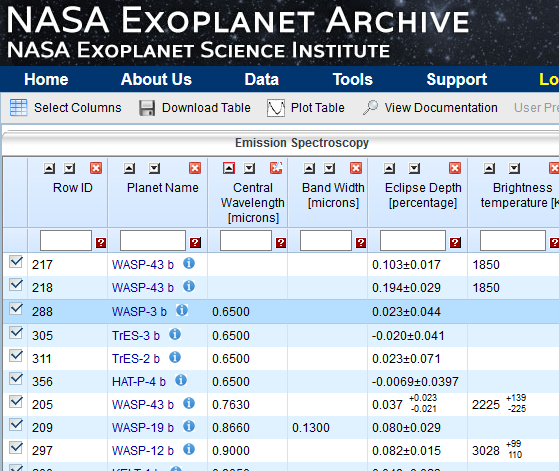
I took the emission spectroscopy data from 46 exoplanets available at the NASA Exoplanet Archive website (shown below) and generated this dendrogram by running Entropy Agglomeration Algorithm (REBUS) on it.
For clarity, the analysis was limited to the central wavelength values (CWV) that occurred on at least two exoplanets, which makes 21 CWVs among the total of 201 CWVs 180 of which occur only on a single exoplanet.
The vertical axis shows the individual CWVs that were included in the analysis.
The horizontal axis shows the entropies of their combinations that occur within the generated dendrogram.
A low entropy value for a CWV combination indicates an entropic correlation among its elements.
An entropic correlation is a correlation that’s computed like one would do in a stamp collection.
Does anyone know what these branches mean?
IBF
G. W. F. Hegel says in Small Logic:
To assert that the categories taken by themselves are empty can scarcely be right, seeing that they have a content, at all events, in the special stamp and significance which they possess.


I had already translated Hegel’s quote on “Categories” into Turkish on January 11th and compiled it in the 39th Placeless Book “The Disparity Of The Substance” a few days ago on February 28th. With the help of my editor and my publisher from Placeless Books Press, of course.
IBF
Keith Collins — 9 Temmuz 2016 — qz.com
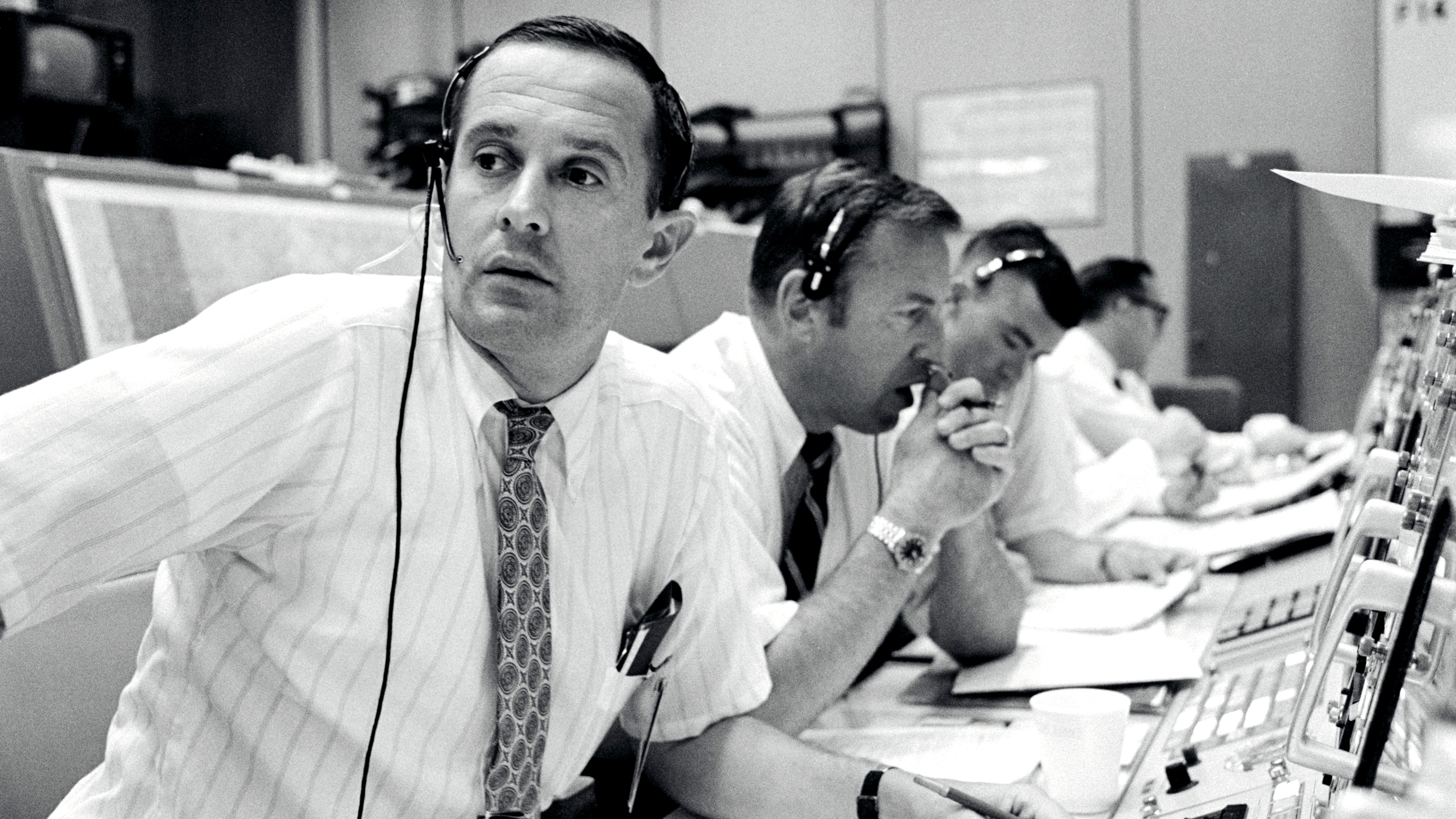
MIT Araçlaştırma Laboratuvarı’ndaki programcılar 1960’larda Apollo 11 uzay programının uçuş yazılımını geliştirebilecekleri bir teknolojiye sahip değildiler. Mecburen icat ettiler.
Bilgisayar programlarını saklamak için “sicim hafızası” dedikleri yeni bir yol buldular ve assembly programlama dilinin yeni özel bir versiyonunu yarattılar. Assembly‘nin kendisi günümüzde birçok programcıya müphem gelir – bu dili okumak çok zordur, bilgisayarlar kolayca anlasın diye tasarlanmıştır, insanlar anlasın diye değil. Apollo Rehberlik Bilgisayarı’nda (AGC) MIT programcıları bu esoteric dille binlerce satır kod yazdılar.
NASA — 20 Eylül 2016 — nasa.gov
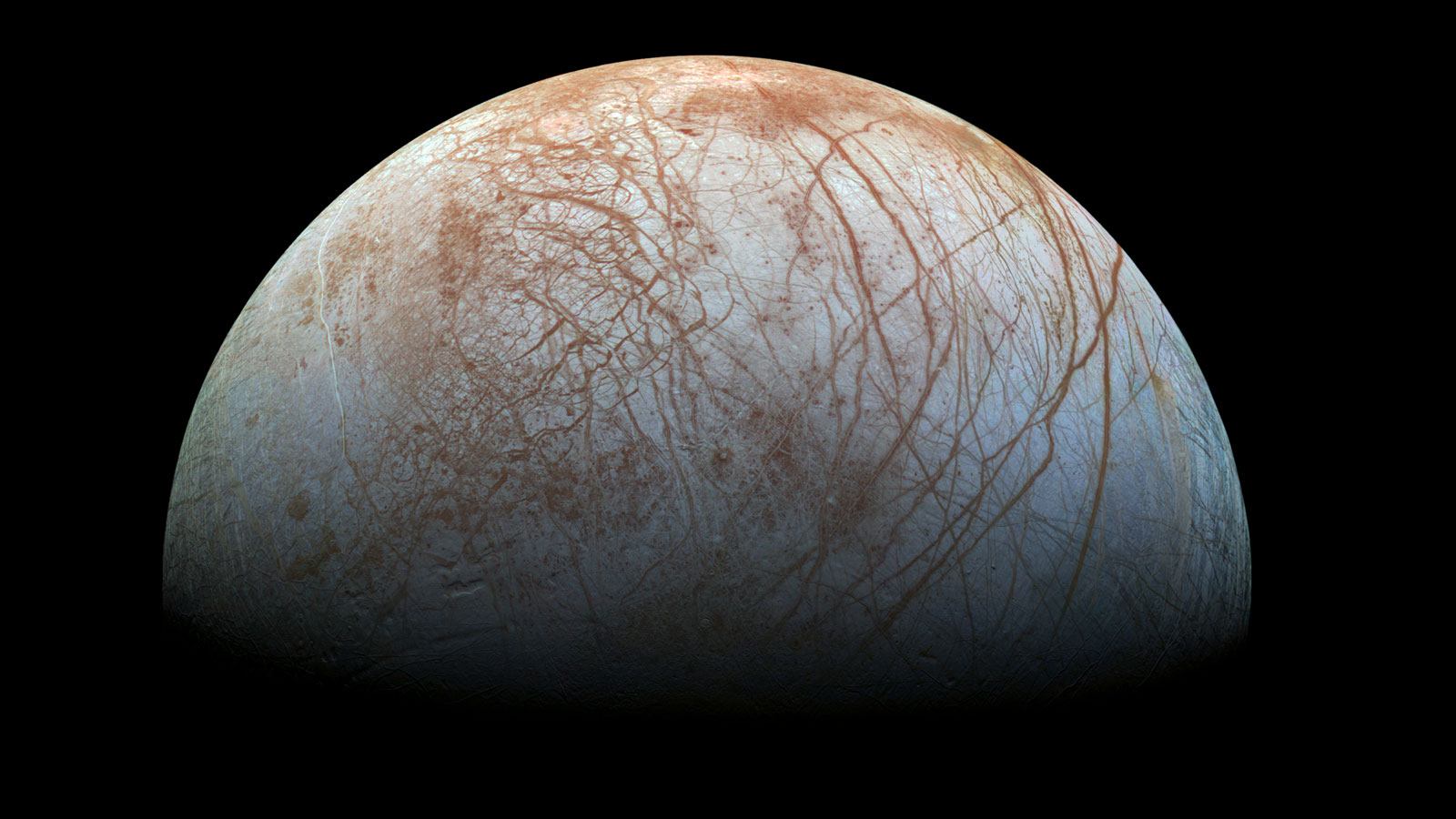
MEDYA TAVSİYESİ M16-111
NASA, 26 Eylül Pazartesi günü EDT saatiyle 14:00’te, ajansın Hubble Uzay Teleskopu’yla Jüpiter’in buzlu uydusu Europa’dan çekilen görüntülerden çıkan yeni keşifleri sunmak için bir telekonferansa evsahipliği yapacak.
Astronomlar eşsiz bir Europa gözlemleme çalışmasının sonuçlarını sunacaklar, Europa’da yüzey altı bir okyanusun mevcutluğuna bağlanabilecek faaliyetin şaşırtıcı kanıtları elde edildi. Telekonferans katılımcıları şöyle:
— Paul Hertz, NASA Genel Merkezi Astrofizik Bölümü yönetmeni, Washington
— William Sparks, Uzay Teleskop Bilim Enstitüsü’nde astronom, Baltimore
— Britney Schmidt, Georgia Teknoloji Enstitüsü Dünya ve Atmosferik Bilimler Okulu’nda yardımcı profesör, Atlanta
— Jennifer Wiseman, NASA’nın Goddard Uzay Uçuş Merkezi’nde kıdemli Hubble proje bilimcisi, Greenbelt, Maryland
Telefonla katılmak için medyanın 202-358-1726 veya dwayne.c.brown@nasa.gov adresinden Dwayne Brown ile irtibat kurarak en geç Pazartesi öğlen medya mensubiyetlerini sağlamaları gerekiyor.
Telekonferansın ses kaydı NASA websitesinden naklen aktarılacak:
NASA’nın Hubble Uzay Teleskopu hakkında daha fazla bilgi için:
-bitti-
Steve Cole / Sean Potter
Genel Merkez, Washington
202-358-0918 / 202-358-1536
stephen.e.cole@nasa.gov / sean.potter@nasa.gov
Lynn Chandler
Goddard Uzay Uçuş Merkezi, Greenbelt, Md.
301-286-2806
lynn.chandler-1@nasa.gov
Ray Villard
Uzay Teleskopu Bilim Enstitüsü, Baltimore
410-338-4514
villard@stsci.edu
Son Güncelleme: 20 Eylül 2016
Editör: Karen Northon
Jennifer Harbaugh — 2 Ağustos 2016 — nasa.gov
Önümüzdeki hafta gökyüzünde kozmik “kayan yıldız” gösterisini izlemek üzere geceleyin uyumama ya da alarmınızı kurma planını şimdiden yapın. Hızlı ve parlak göktaşlarıyla bilinen yıllık Perseid göktaşı yağmuru [meteor shower] bu yılki en iyi göktaşı seyretme fırsatlarından birisi olacak.
Her yıl Ağustos’ta, eski bir kuyrukluyıldızdan arta kalmış birikintinin içinden Dünya’nın geçmesiyle birlikte Perseidler ortaya çıkarlar. Göktaşı yağmurunu getiren kuyrukluyıldız izleriyle Dünya arasında bu yıl her zamankinden daha yakın bir karşılaşma yaşanabilir, böylece muhteşem bir gösterinin sahnesi hazırlanabilir.
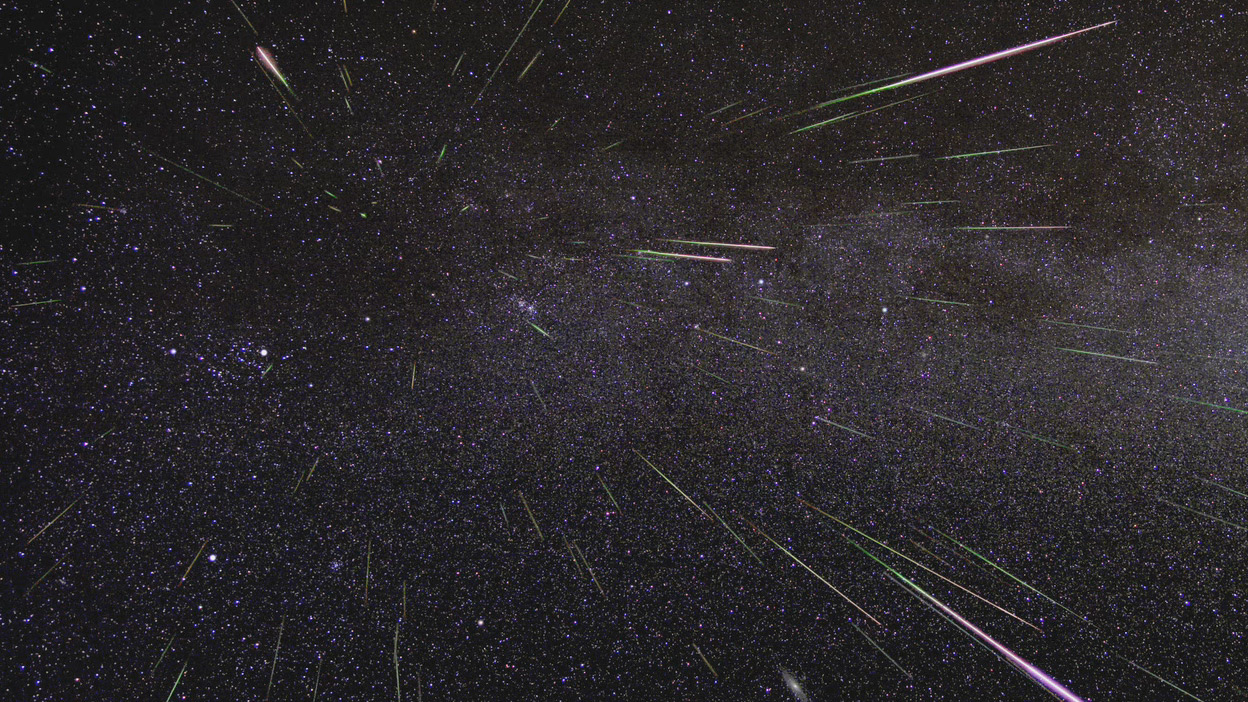
Akın oluşturan Perseid göktaşları Ağustos 2009’ta kaydedilmiş bu hızlı çekimde gökyüzünü aydınlatıyor. Yıldız gözetenler, gelecek hafta 11-12 Ağustos günlerini bağlayan gece olacak Perseid göktaşı yağmurunda da buna benzer bir akın bekliyor. Krediler: NASA/JPL
NASA — 15 Haziran 2016 — jpl.nasa.gov
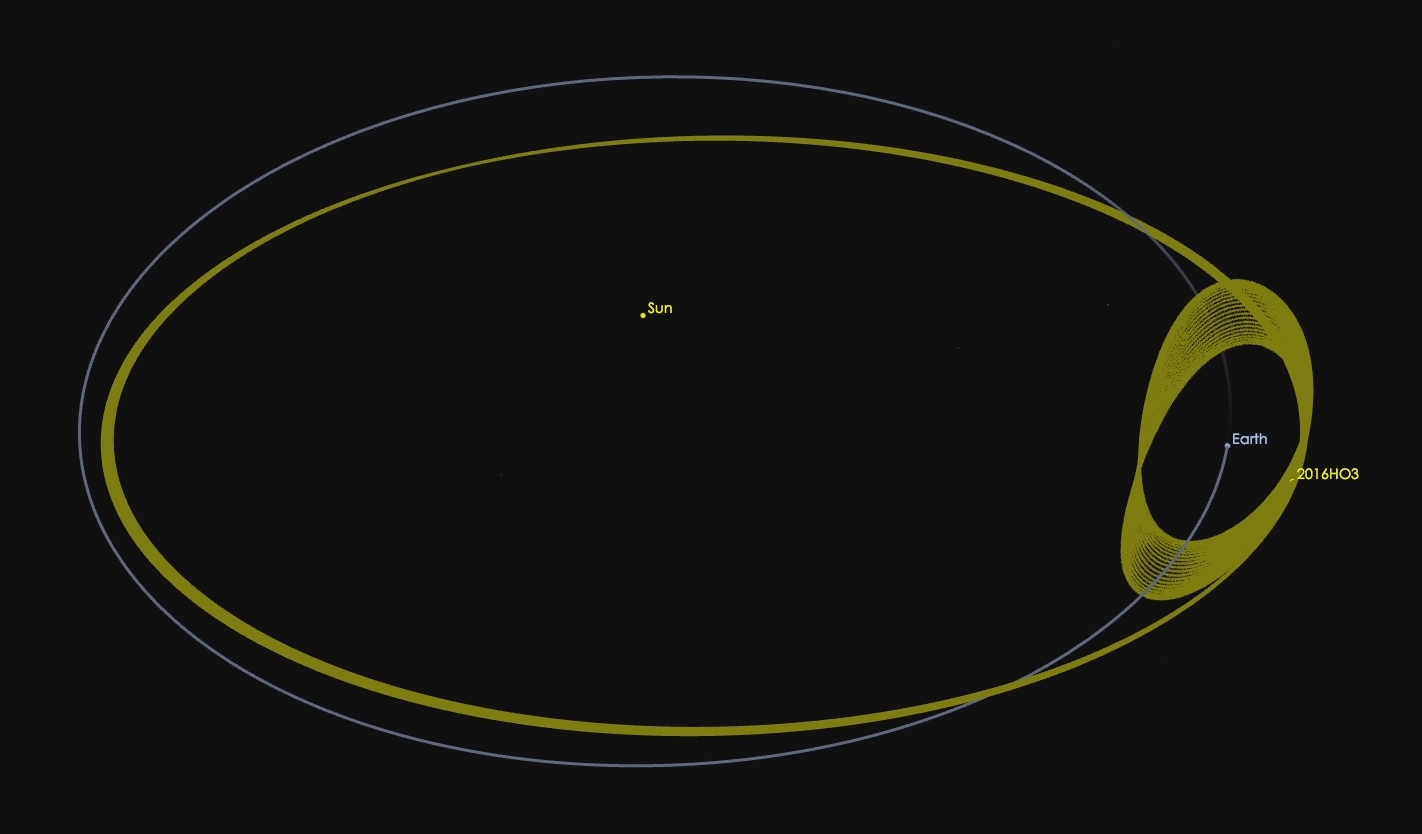
Yıldıztaşı 2016 HO3 Güneş etrafındaki yörüngesiyle Dünya’ya sürekli yoldaşlık ediyor. Kredi: NASA/JPL-Caltech
Güneş etrafındaki yörüngesinde keşfedilen küçük yıldıztaşı Dünya’ya sürekli yoldaşlık ediyor ve önümüzdeki yüzyıllar boyunca da böyle olacak.
🦋🤖 YŞ Okuma Rehberi 🦋🤖
🦋🤖 YŞ Stalklama Rehberi 🦋🤖
 |
 |
 |
 |
 |
 |
 |
 |
 |
 |
 |
 |
 |
 |
 |
 |
 |
 |
 |
 |
 |
 |
 |
 |
 |
Yersiz Şarkılar’ın playlisti🎵 rastgele🔀
(Reklamsız Youtube: Opera/Adblock)
⚡️💾 Cyber Software 💾⚡️
Kavram bağlamında güzeldir.
Twitter’da takip ediniz: @YersizSeyler
Görce (Virtue) bilmezlik tutkusunu üstlenerek bilginin ufkunda sahiliğin alanını açmaktır. // Yardım 🐞
Derleme linkleri:
TR: 光 身 熵 喪 毒 返 元 面 超 粒 真 劇 屋 浪 现 驚 慾 家 嘮 意 火 對 鬼 落 霸 求 洩 答 縫 鱿 词 梦 孕 重 栔 虎 爹 識 自 撞 恋 复 体 例 神 砢 墙 虫 庥 溯 墨 启 燧 塞 蜂 响 潜 嗓 链 组 唯 爸 傳 旌 诞 公 琪 圣 物 兽 古 星 激 像 并 语 学 刺 魔 流 战 茎 活 滑 榴 抉 皮 花 息 异 云 龙 创 蝎 命 毿 大 密 蟹 羇 函 球 忱 线 杯 蟾 骰 塔 相 轂 泛 荣 栓 岳 五 奶 缝 茶 仙 声 影 帘 莓 华 玫 迹 根 伶 續 胤 狐 偷 走 双 勁 稳 业 说 隙 螃 纁 皂 凋 牢 书 眉 枪 蝠 窍 翠 钟 咬 霄 陰 绝 喷 纥 国 歌 话 论 宙 卷 怨 拍 优 暴 嘩 倾 傾 摇 禅 另 法 兔 我 菌 量 便 梯 稣 松 動 祟 涡 羚 波 月 嘲 顾 片 舍 擰 空 積 第 剧 信
EN: 光 身 熵 喪 毒 返 元 面 囂 真 講 劇 合 性 簇 聲 析 場 要 地 世 响 碎 火 尊 思 鬼 距 餌 支 搐 迎 月 爸 核 筲 帘
YK: 1 2 3 4 5 6 7 8 9 0 1 2 3 4 5 6 7 8 9 0 1 2 3 4 5 6 7 8 9 0 1 2 3 4 5 6 7 8 9 0 1 2 3 4 5 6 7 8 9 0 1 2 3 4 5 6 7 8 9 爱 评 哀 些 模 脱 6 7 不 睐 车 字 陽 算 天 反 其 响 鸢 摈 泛 则 国 机 见 心 瀛 父 兽 位 臻 怙 阅 黑 帷 刺 函 尘 灵 筲 棱 恹 又 边 预 呤 逼 命 拟 声 食 诊 锤 代 睛 含 神 🎸 🏠 🌍 译 🦋 举 演
☉: ♈︎ ♉︎ ♊︎ ♋︎ ♌︎ ♍︎ ♎︎ ♏︎ ♐︎ ♑︎ ♒︎ ♓︎
| Žižek ve Lacan’ın görüntü kayıtları: |
 |
 |
 |
 |
 |
 |
🌷💐 Žižek Pasajı 💐🌷


